
Best Practices for Daily Disinfection in Homes and Offices
August 1, 2023
Child-Friendly Disinfection: Safe Practices for Play Areas
August 17, 2023Disinfection Methods and Their Applications
Disinfection Methods and Their Applications
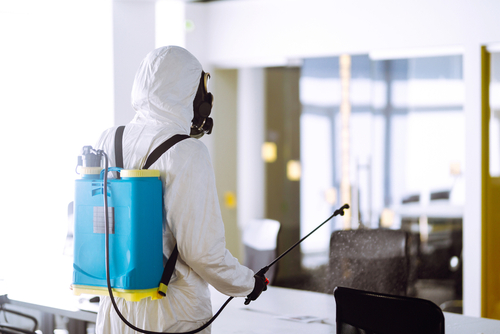
Understanding Different Disinfection Methods and Their Applications – Disinfection, an essential pillar of public health, destroys or inhibits the growth of harmful microorganisms.
We aim to illuminate the diverse disinfection methods and their real-world applications.
The Science of Disinfection
Disinfection, at its core, disrupts the biological processes of pathogens, leading to their eradication. Effective disinfection is a linchpin in disease prevention and promoting health and safety.
The Process of Disinfection
Disinfection methods break down the cell wall or interrupt the vital processes of pathogens, neutralizing their ability to infect.
Impact of Disinfection on Health and Safety
Effective disinfection mitigates the risk of infection, contributing to healthier environments and decreasing the spread of diseases.
Factors Determining Disinfection Method
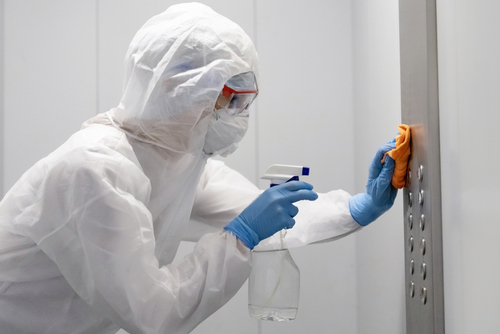
The selection of a disinfection method is influenced by the nature of the microorganisms, environmental conditions, compatibility with surface materials, and safety considerations.
Types of Microorganisms Targeted
Different disinfectants are effective against various types of microorganisms like bacteria, viruses, fungi, and protozoa.
Environmental Conditions
The effectiveness of a disinfection method can be influenced by environmental factors such as temperature, pH, and organic matter presence.
Surface Material Compatibility
Some disinfectants may cause damage or discoloration to certain surfaces, necessitating careful selection.
Safety Considerations
The safety of disinfectants for human health and the environment is crucial in their selection.
Physical Disinfection Methods
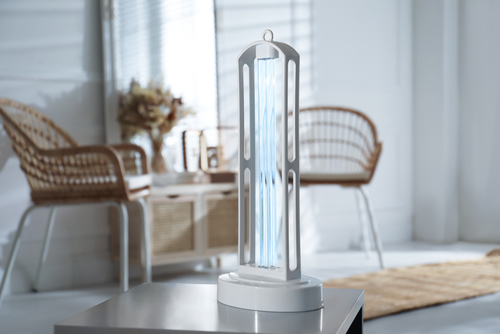
Physical disinfection methods like heat and radiation directly kill or deactivate pathogens.
Heat Disinfection
Heat can be an effective disinfectant, provided it’s used correctly. Two main types of heat disinfection exist dry heat and moist heat.
- Dry Heat
Dry heat disinfection, achieved through incineration or hot air sterilization, is typically used for heat-resistant materials.
- Moist Heat
Moist heat disinfection, such as boiling or autoclaving, is used for materials like glassware, surgical instruments, and some bio-waste.
Radiation Disinfection
Radiation can effectively sterilize materials and is commonly categorized into ultraviolet (UV) and ionizing radiation.
- Ultraviolet (UV) Radiation
UV radiation disinfects by damaging the DNA of pathogens, preventing their replication. It’s commonly used in water and air disinfection.
- Ionizing Radiation
Ionizing radiation sterilizes by inducing chemical changes in the DNA of the pathogens. It’s often used for medical equipment and food products.
Chemical Disinfection Methods
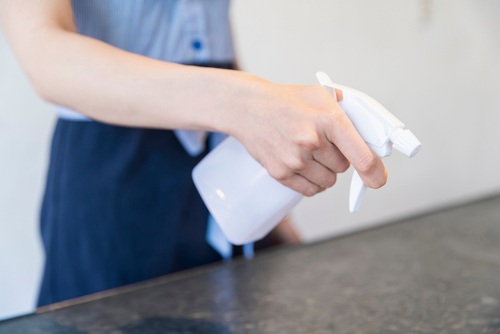
Chemical disinfectants, including alcohols, chlorine compounds, hydrogen peroxide, quaternary ammonium compounds (Quats), and aldehydes, can effectively kill or deactivate pathogens.
- Alcohol-based Disinfectants
Alcohol-based disinfectants are effective against a broad spectrum of microorganisms and are typically used in healthcare settings.
- Chlorine and Chlorine Compounds
Chlorine compounds are widely used in water disinfection due to their effectiveness and low cost.
- Hydrogen Peroxide
Hydrogen peroxide is a potent oxidizer, effective against many pathogens. It’s often used in healthcare and food production facilities.
- Quaternary Ammonium Compounds (Quats)
Quats are used extensively in household and industrial cleaning due to their broad activity spectrum, non-corrosive nature, and low toxicity.
- Aldehydes
Aldehydes, such as formaldehyde and glutaraldehyde, are used for high-level disinfection and sterilization in healthcare facilities.
Mechanical Disinfection Methods
Mechanical disinfection methods, including filtration and ultrasonication, physically remove pathogens.
- Filtration
Filtration can effectively remove pathogens from fluids and is often used in water and air purification systems.
- Ultrasonication
Ultrasonication uses high-frequency sound waves to disrupt pathogens and is commonly used in laboratory and industrial cleaning.
Selecting the Right Disinfection Method

The choice of disinfection method depends on its effectiveness against pathogens, environmental impact, and cost-effectiveness.
Efficacy Against Various Pathogens
A disinfectant’s efficacy against a range of pathogens determines its applicability.
Impact on Environment and Public Health
The environmental impact and safety for public health are critical considerations when selecting a disinfectant.
Cost-Effectiveness and Practicality
A cost-effective and practical disinfection method ensures that it can be widely implemented.
Application of Different Disinfection Methods
Disinfection methods find applications across various sectors like healthcare, the food and beverage industry, water and wastewater treatment, and household and personal use.
Healthcare Settings
In healthcare settings, disinfection is essential to prevent healthcare-associated infections. It’s typically employed in surface cleaning, sterilization of instruments, and hand hygiene.
Food and Beverage Industry
In the food and beverage industry, disinfection ensures food safety and extends product shelf life.
Water and Wastewater Treatment
Water and wastewater treatment facilities rely on disinfection to provide safe drinking water and prevent the spread of waterborne diseases.
Household and Personal Use
For household and personal use, disinfection contributes to a healthy living environment and personal hygiene.
Frequently Asked Questions (FAQs)

Can disinfection methods be combined for better results?
Combining disinfection methods can often enhance efficacy, provided the combinations are compatible and safe.
How can I select the best disinfection method for my home or business?
Selection should be based on the type of surfaces and pathogens targeted, safety, environmental impact, and cost.
What’s the impact of disinfection on antibiotic resistance?
Misuse of disinfectants can contribute to antibiotic resistance. It is crucial to use them correctly and as part of a comprehensive infection control strategy.
Are there any natural methods of disinfection?
Yes, methods like solar disinfection and use of certain plant extracts can serve as natural disinfectants.
What are the risks associated with the overuse of disinfectants?
Overuse of disinfectants can lead to the development of resistant strains, harmful environmental impacts, and potential health risks.
Disinfection Methods and Their Applications – Conclusion
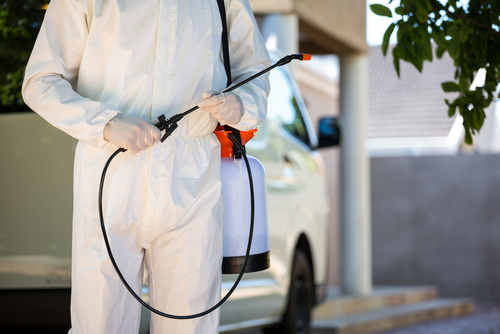
In conclusion, selecting the right disinfection method is crucial to its effectiveness. This review underscores the vast array of methods available, each with its unique applications and limitations.
We have explored the science behind disinfection, the factors affecting the choice of method, different disinfection methods, their applications, and the future of disinfection.
Choosing the right disinfection method ensures that it is effective, safe, environmentally friendly, and cost-effective.
Don’t hesitate to reach out to us for further information on the best disinfection methods for your needs.
We’re here to ensure your environments are safe, healthy, and effectively managed! Contact us today!


